How to Style One Designer Piece Into a Dozen Different Outfits
A single, well-chosen luxury piece earns its price back in outfits, not in how rarely it leaves the closet. Here is how to buy it pre-loved and put it to work.

Most wardrobes do not need more designer pieces, they need one that actually earns its place. A single well-chosen luxury item worn on rotation for years does more for a wardrobe, and for cost per wear, than half a dozen logo-driven purchases worn twice each and forgotten. The trick is choosing that one piece deliberately, buying it in a condition that will hold up, and then knowing how to style it so it works with almost everything already hanging in the closet.
Why One Piece, Chosen Well, Beats a Full Designer Wardrobe
A designer wardrobe built piece by piece, slowly and with intention, holds up better than one bought all at once during a single sale. Each new addition gets tested against what already exists, which means fewer mistakes and a collection that reads as considered rather than assembled. Buying pre-loved makes this approach easier to sustain, since the same budget that covers one new-season piece can often cover two or three exceptional pre-loved ones from the designer edit, each already proven to hold its shape and construction over years of wear.
Choosing the One Piece Worth Owning
Start with what is missing, not what is trending
The most useful designer piece is almost always the one solving a real gap: a structured jacket for a wardrobe full of soft knitwear, a neutral bag for a collection of statement colours, a pair of tailored trousers for a closet built around denim. Shopping from a gap rather than a trend list is the single biggest factor in whether a piece gets worn weekly or sits untouched after the first month.
Favor construction over logo
A leather jacket with clean, even stitching and hardware that sits flush against the seams will outlast one chosen purely for a recognisable emblem. The houses worth investing in built their reputation on construction long before they built it on branding, and that construction is exactly what a pre-loved piece lets a buyer inspect and confirm before paying full retail for the promise of it.
Five Designer Pieces That Style Into the Most Outfits
- A leather biker or moto jacket, worn open over almost anything from a slip dress to a plain t-shirt.
- A structured shoulder bag in a neutral tone, the one accessory that upgrades a casual outfit without changing it.
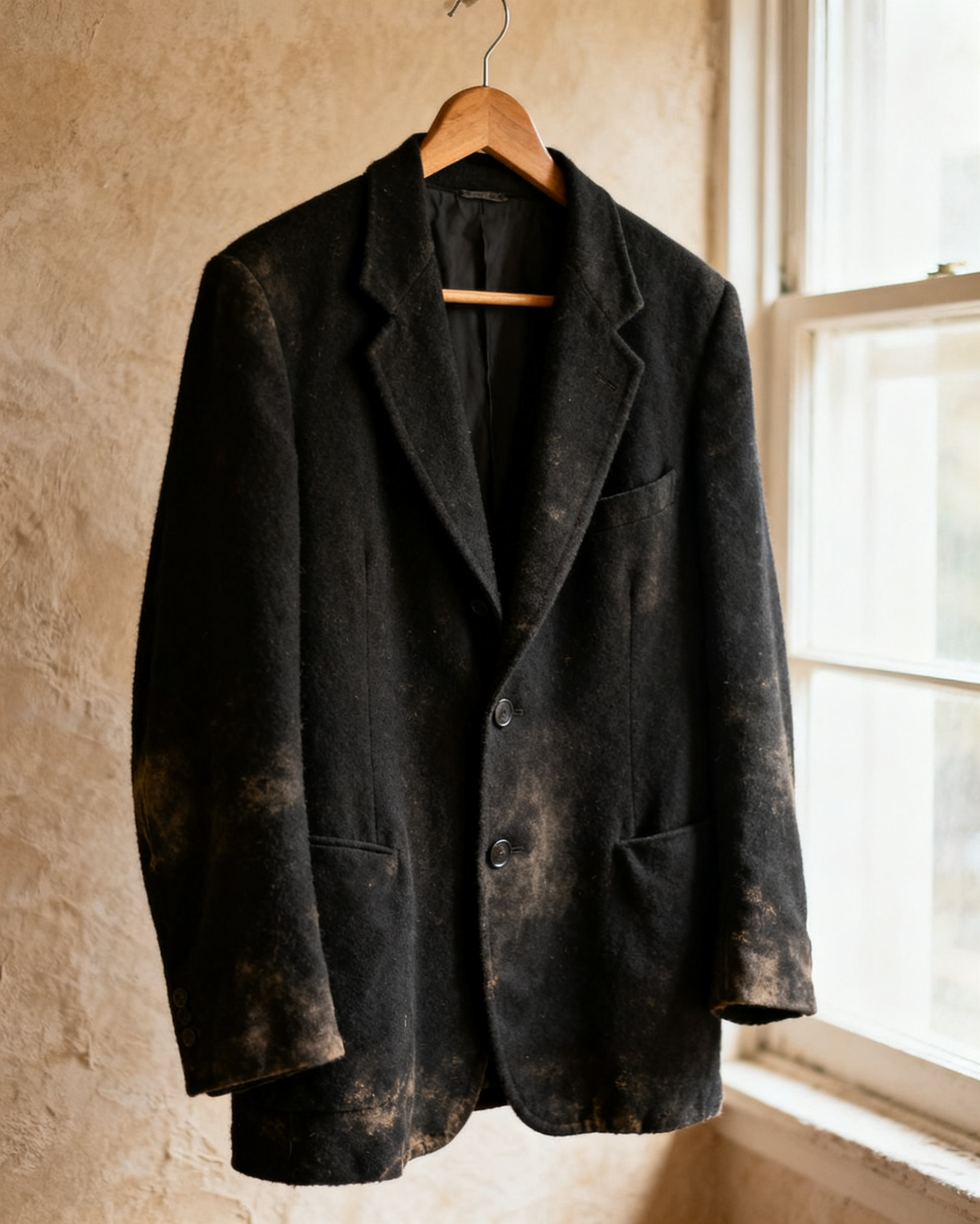
- A single-breasted wool blazer, doing the work of both officewear and evening layering.
- A silk scarf or square, the lowest-cost entry point into a house's archive and one of the easiest pieces to style five different ways.
- A pair of leather boots or loafers, the kind of construction quality that shows in how the leather ages rather than wears out.
Five Ways to Style a Leather Jacket, One Piece at a Time
A leather jacket is one of the most versatile designer pieces to own precisely because it contradicts almost nothing else in a wardrobe. It works as easily over tailoring as it does over denim, which makes it a useful piece to picture in outfits before buying any other item on this list.
- Over a silk slip dress with boots, softening the leather with a fabric that moves in the opposite direction.
- With straight-leg denim and a plain white t-shirt, the most reliable combination in the whole edit.
- Layered over a knit and tailored trousers for a coat-free option on milder days.
- Belted over a midi dress from the womenswear edit for a shape that reads considered rather than thrown on.
- With tailored shorts and boots from the shoes edit for a warm-weather version of the same formula.
What to Check Before Buying a Designer Piece Pre-Loved
Hardware, stitching and lining first
Zips should glide without catching, stitching should run in even rows with no loose threads at stress points, and any lining should sit flat without pulling away from the seams. These details matter more on a designer piece than almost anywhere else, since the original price reflected exactly this level of construction and a worn or repaired version should be priced, and disclosed, accordingly.
Tags, serial details and proof of purchase
Typography, spacing and placement on a brand tag are among the fastest ways to confirm a piece is genuine, and an original invoice, where a seller has kept one, removes almost all remaining doubt. Neither detail is something a buyer should have to chase down after paying, which is exactly why it belongs in the check before a listing goes live rather than after a complaint.
How e.clothing Verifies Every Designer Piece Before It Lists
Every piece in the designer edit goes through the same core process before it ever reaches a shopper: the brand tag is checked for correct typography and placement, stitching and construction are reviewed against known standards for that house, and any original invoice is confirmed. Only pieces that pass carry the Original Verified seal, and the full breakdown of how that check works is on the authenticity page. A one-piece designer strategy only works if that one piece is genuinely what it claims to be, which is the entire reason the check happens first.
Caring for a Designer Piece So It Earns Out Its Price
A leather jacket benefits from a light conditioning twice a year and storage on a padded hanger away from direct sunlight, which keeps the leather from drying and cracking at the fold lines. A wool blazer needs airing more than dry cleaning, and a bag or pair of boots should be stuffed lightly when not in use to hold its shape. None of this is complicated, it simply needs to happen consistently, which is the real difference between a designer piece that lasts a decade and one that does not.
A Few Quick Questions
Is it really better to buy one designer piece than several cheaper ones?
For most wardrobes, yes. One piece worn weekly for years has a lower cost per wear than several worn only a handful of times, and it is easier to style consistently because it only has to work with what already exists rather than compete with other statement pieces.
How do I know a pre-loved designer piece is worth the price being asked?
Condition and construction matter more than age. A piece with clean stitching, working hardware and an honest condition grade is worth its asking price regardless of how many previous owners it has had, while a heavily worn piece should be priced, and considered, accordingly.
What if the one piece I choose does not end up fitting my wardrobe?
That happens less often when the piece is chosen to fill a real gap rather than a trend, but if it does, reselling a well-cared-for designer piece recovers real value. Listing it is usually the better move over letting it sit unworn in a closet.
The right designer piece is rarely the loudest one, it is the one that quietly makes every other outfit a little better. Start with the current pieces in the designer edit, each one brand-verified before it lists, or if a piece in your own closet has stopped earning its place, list it and let it start its next decade with someone else.
Shop the edit
Every piece linked in this guide is brand-verified before it goes live.