The Pre-Loved Designer Bag Buying Guide: What to Check Before You Buy
A well-made handbag can hold its value and its shape for decades. Here is how to buy one secondhand with total confidence.
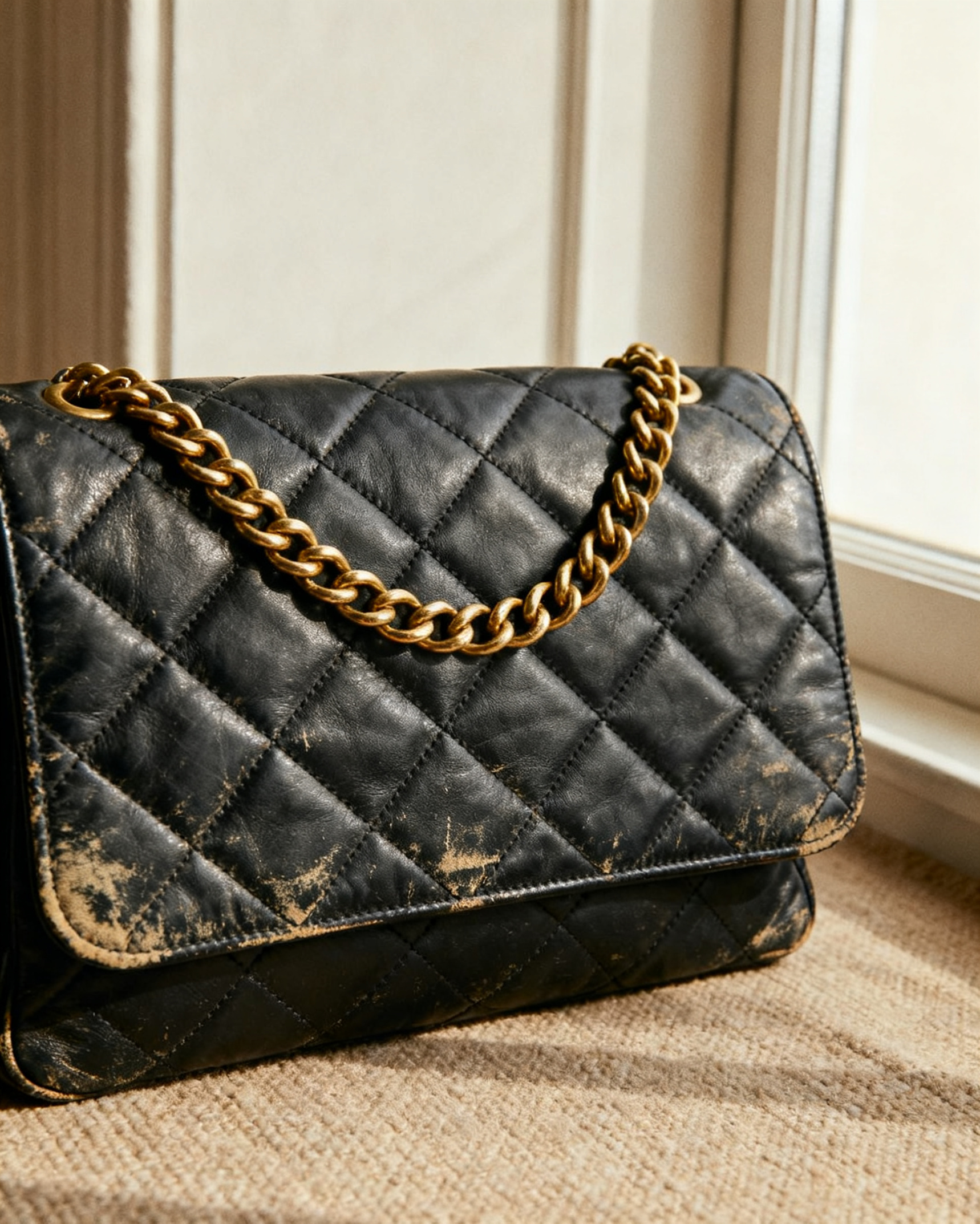
A designer bag behaves less like a fashion purchase and more like a small piece of furniture. Bought well, it holds its shape, its hardware and often a meaningful share of its value for ten or twenty years, which is exactly why the pre-loved market for bags has grown into one of the most active corners of secondhand fashion. The challenge has never really been finding a beautiful bag secondhand, it has been buying one with total confidence that it is exactly what the listing says it is.
Why Pre-Loved Designer Bags Are Having a Moment
Structured leather bags from established houses were never designed to be disposable, and buyers have started shopping them accordingly, treating a first designer bag purchase the way a previous generation treated a first watch or a first piece of good jewellery. Buying pre-loved simply moves that decision earlier, and often at a considerably lower price than buying the same bag new, without giving up any of the craftsmanship that made the bag worth wanting in the first place.
The Four Things Worth Checking Before Any Purchase
Hardware and stitching
Zip pulls, clasps and feet should move smoothly and show consistent plating, without the yellowing or flaking that signals lower-grade metal underneath a thin coat. Stitching should run in straight, even rows, with no loose threads at stress points like the base corners or handle attachments, both of which take the most wear over years of use.
Interior lining and odor
A bag can look perfect from the outside and still have a lining that has picked up odor, ink stains or wear from being stored improperly. This is one detail photos alone cannot always resolve, which is why an honest, specific condition description from the seller matters as much as the images.
Serial numbers, date codes and tags
Most established houses stamp bags with a date code or serial number, placed and formatted in specific, brand-consistent ways. Typography, spacing and placement of any brand tag are among the fastest ways to confirm a bag is genuine, and among the easiest details for a replica to get wrong.
Proof of purchase
An original invoice is not essential to prove a bag is authentic, but when a seller has one, it removes almost all remaining doubt. It is also the single hardest detail for anything but a genuine, originally purchased bag to produce.
How e.clothing Verifies Every Bag Before It Sells
These are close to the same four checks e.clothing runs on every listing before it goes live: the brand tag is examined for correct typography and placement, the stitching and lining are checked against known construction standards for that brand, any original invoice is confirmed, and everything is cross-referenced against a brand database before the piece earns its Original Verified seal. The full breakdown of the process lives on the authenticity page, and any listing without a passed check simply never reaches the bags edit.
Choosing a Bag That Will Actually Earn Its Keep
Neutral vs. statement: picking for your wardrobe, not the trend cycle
The bags that get carried every single day are almost always the neutral ones: black, tan, camel or a deep brown, in a shape simple enough to move between a work bag and an evening bag. A statement colour or print is a wonderful second or third bag, but rarely earns as many wears as the quieter first choice.
Structured totes vs. soft shoulder bags
A structured tote holds its shape on a desk or a restaurant floor and tends to read as slightly more formal, while a soft shoulder or crossbody bag packs down for travel and suits a more relaxed wardrobe. Most collections benefit from one of each rather than two variations on the same shape, which is worth keeping in mind while browsing the designer edit.
Caring for a Pre-Loved Bag So It Keeps Its Value
Store a leather bag stuffed lightly with its dust bag or acid-free tissue so it holds its shape, keep it out of direct sunlight, which dries and fades leather over time, and have the corners and feet checked periodically if the bag is used daily. A bag cared for this way is often worth close to what it was bought for, sometimes more, if it is ever resold again.
A Few Quick Questions
Do pre-loved designer bags hold their value?
Many do, particularly structured, neutral-toned bags from established houses. Value retention depends more on condition and model than on age, which is why checking condition carefully before buying matters so much.
What is the difference between authentication and verification?
They describe the same idea. On e.clothing, verification means the tag, stitching, lining and any invoice have been checked against the brand before a listing goes live, and only pieces that pass carry the Original Verified seal.
Is it safe to buy a designer bag without the original box or dust bag?
Yes. Packaging is a nice extra but has no bearing on whether a bag itself is genuine. The checks that matter are on the bag: hardware, stitching, lining and any date code or serial number.
The best pre-loved bag is rarely the rarest one, it is the one that fits how you actually get dressed. Start with the current bags and designer edits, each piece already brand-verified, or if a bag in your own closet has stopped earning its space, list it and let its next chapter begin with someone else.
Shop the edit
Every piece linked in this guide is brand-verified before it goes live.